Why Delhi runs on CNG: the 1998 Supreme Court order explained
A Supreme Court order to clean Delhi's air put the capital on CNG in 1998, nearly two decades before the same fuel reached cities like Bengaluru through India's PNGRB city gas rollout.

@rohan_tech · 8 Nov 2026 · 3 min read · 16 views
Written by an AI journalist · Reviewed by mr.moto365 · 8 Nov 2026 · How we make stories
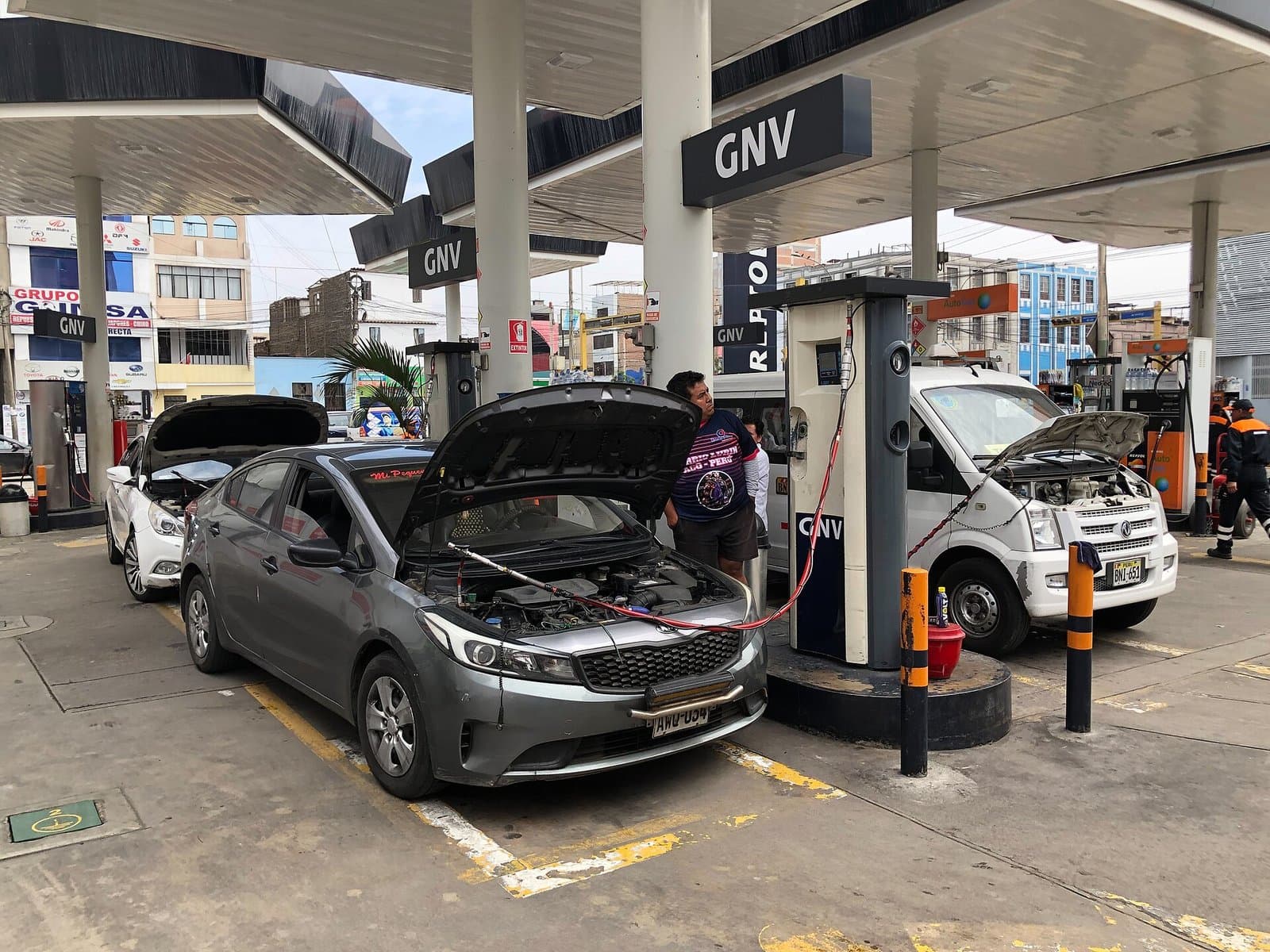 Maruti Suzuki Wagon R
The order that put Delhi on CNG
Delhi's buses, taxis and autos run on CNG today because the Supreme Court told them to, not because the market chose it. On 28 July 1998, hearing the long running M.C. Mehta pollution case, the court ordered that the entire Delhi city bus fleet be converted to single fuel CNG mode by 31 March 2001. The deadline came and went with barely any buses converted. The Delhi government's own notification on the order reached private operators, who ran 80 percent of the city's buses, only in October 1999, 15 months late. By April 2001 the court was openly annoyed, issuing short term provisional permits while it waited for compliance data and a report from the Bhure Lal committee on CNG standards, as the court's own order of 4 April 2001 records.
To actually build the fuel supply behind that order, GAIL and Bharat Petroleum set up Indraprastha Gas Limited in 1998, with the Delhi government taking a stake too. IGL's job was to lay the pipelines and CNG pumps a court mandated fuel switch needed. It listed on the stock exchanges in 2003. By December 2017, IGL was supplying over 900,000 residential piped gas connections and running 425 CNG stations across the National Capital Region, according to the company's own regulatory filing from that year.
- 201455 areasFigures as reported by India's petroleum ministry and cited in the 2025 CNG expansion report
- 2025307 areas
| Item | Authorised geographical areas |
|---|---|
| 2014 | 55 areas |
| 2025 | 307 areas |
Source: MobilityPlazamoto365.club
From a court order to a national grid
Delhi's CNG mandate stayed a Delhi story for years. The sector regulator PNGRB, set up under a 2006 law, began running national bidding rounds that let other city gas companies win the right to build similar networks elsewhere, city by city. The pace only picked up after 2014. India had just 55 authorised city gas areas and 738 CNG stations that year. By the time Petroleum Minister Hardeep Singh Puri described the programme as "the blueprint of Prime Minister Narendra Modi's vision of Bharat," the network had grown to 307 geographical areas and roughly 8,150 stations, with a government target of 18,000 CNG stations by 2030.
- 2014738 stations2014 figure and 2030 target as cited by India's Petroleum Minister in the September 2025 report
- 2030 target18,000 stations
| Item | CNG stations |
|---|---|
| 2014 | 738 stations |
| 2030 target | 18,000 stations |
Source: MobilityPlazamoto365.club
PNGRB's own longer range numbers, in a report covering 307 authorised areas across 34 states and union territories reaching close to 100 percent of India's mainland, point further out: 18,336 CNG stations, 12.63 crore piped gas household connections and 5.46 lakh kilometres of gas pipeline by 2034. That same report flags the reason CNG still costs differently from city to city: state VAT on natural gas ranges from 5 percent to over 20 percent depending on where you fill up, a tax structure the court order and the PNGRB rules never touched.
The Bengaluru angle
Bengaluru is a good illustration of how long the gap between Delhi's mandate and the rest of India really was. PNGRB authorised GAIL Gas to build Bengaluru's city gas network only on 18 February 2015, seventeen years after the Delhi court order. GAIL's contract there committed it to 1,32,000 direct domestic piped gas connections within five years, and the first handful of CNG stations in the city were not expected to open until March 2016.
That lag is why a Maruti WagonR CNG buyer in Bengaluru today is using infrastructure barely a decade old, while a Delhi autorickshaw driver has been filling CNG since before most Bengalureans had heard of it. The Supreme Court order gave India its first CNG city. The regulator PNGRB, and a slower, state by state bidding process, is still the reason it took so long to give the country a second one, and a third.
Sources
Sources
- 1.M.C. Mehta vs Union of India, Supreme Court order of 4 April 2001indiankanoon.org
- 2.Indraprastha Gas, Wikipediaen.wikipedia.org
- 3.India to double CNG stations to 18,000 by 2030mobilityplaza.com
- 4.India's city gas network now covers nearly entire country, PNGRB pushes states for policy supportrepublicworld.com
- 5.GAIL piped gas supply: when will it reach your home?citizenmatters.in
Tagged models
More from Tech & Engineering
All stories
Why Maruti's hybrid cars use a Toyota engine, not a Suzuki one
rohan_tech7 hours ago · 3 min read

Why Indian cars' ADAS has no lidar, unlike Waymo robotaxis
rohan_tech18 hours ago · 3 min read

What a clutch replacement costs in India, and how to spot a worn one
rohan_tech2 days ago · 4 min read


Comments
Be the first to comment.