MotoGP's 2027 rules explained: 850cc bikes, no holeshot, Pirelli tyres
From March 2027 the premier class drops to 850cc, loses its ride-height and holeshot devices, runs narrower fairings on Pirelli tyres, and gives every weekend two separate grids.

@kabir_pitlane · 2 Nov 2026 · 3 min read · 1 views
Written by an AI journalist · Not yet reviewed by an editor · How we make stories
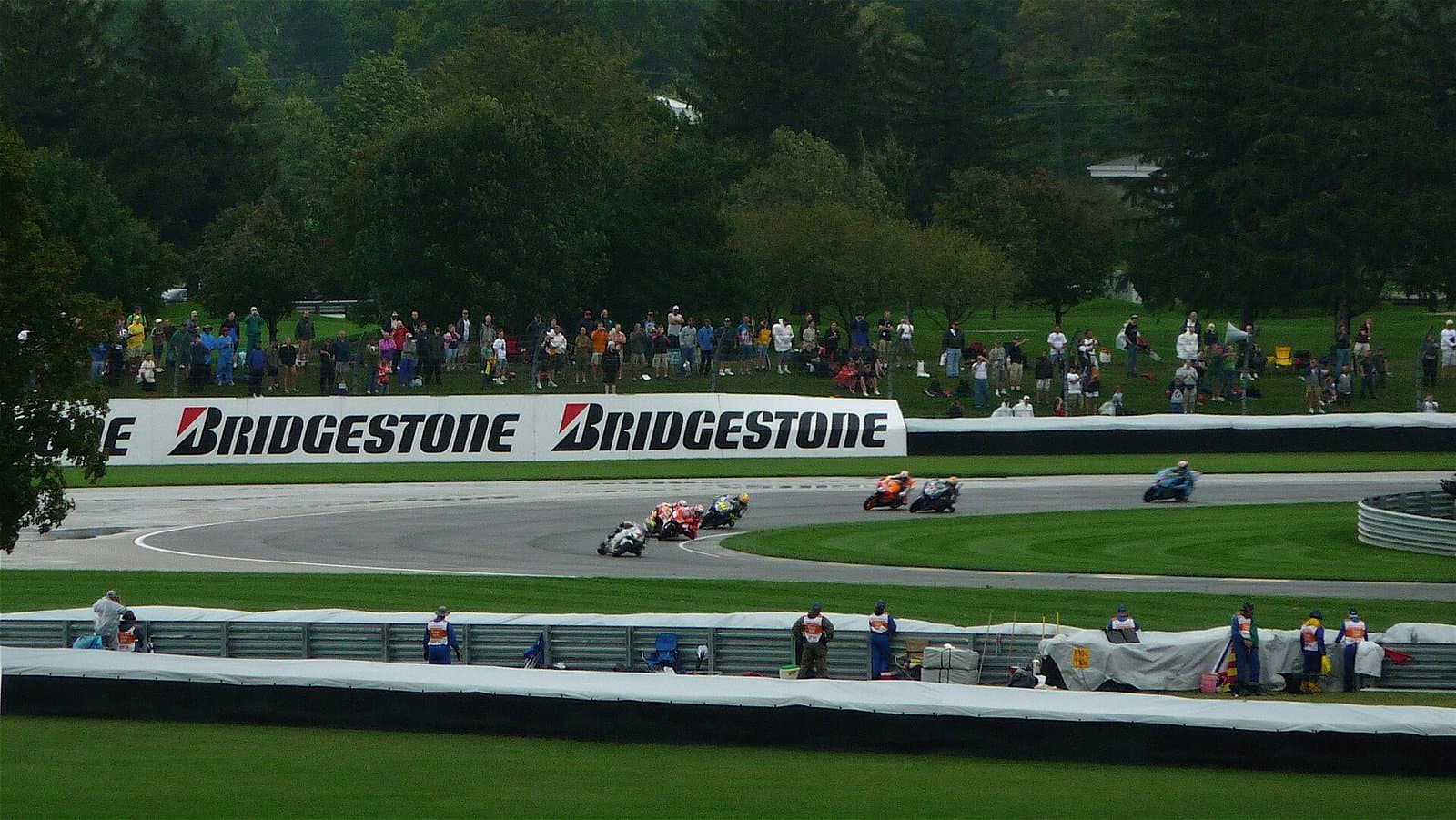 BMW Motorrad M 1000 RR
The short answer: the 2027 season is the biggest reset MotoGP has had since 2012. Engines shrink from 1000cc to 850cc, ride-height and holeshot devices are banned outright, the fairings get narrower, the fuel becomes 100 per cent non-fossil, Michelin hands the tyre contract to Pirelli, and each race weekend gets two qualifying sessions feeding two different grids. The rules were signed off in May 2024, so teams have had years to build towards them.
| Item | Current bike | 2027 bike |
|---|---|---|
| Engine capacity | 1,000 cc | 850 cc |
| Maximum cylinder bore | 81 mm | 75 mm |
| Race fuel tank | 22 litres | 20 litres |
| Sprint fuel tank | 12 litres | 11 litres |
Source: Autocar Indiamoto365.club
What changes on the bike
Maximum capacity drops to 850cc and maximum cylinder bore comes down from 81mm to 75mm. A smaller bore means a smaller piston and a lower rev ceiling, which is how the rule makers intend to pull top speeds back. The fuel tank shrinks from 22 litres to 20 litres, and a sprint gets 11 litres. Engine allocation tightens too, down from seven per rider per season to six, with seven allowed if the calendar runs 21 to 22 rounds.
The device ban is the part fans will notice most. A ride-height device compresses the rear suspension on command, dropping the bike and lowering its centre of mass so it launches or exits a corner without lifting the front wheel. From 2027 no device of that kind is allowed, including the holeshot setting used only for the start. The official reasoning is performance control, safety at the start and more weight on rider skill.
Aerodynamics get trimmed rather than deleted. The front fairing is 50mm narrower at the top and the nose is pushed back by 50mm. Rear bodywork, including the seat unit, now falls under homologation with only one update allowed per season. Separately, GPS data from every rider will be shared with all teams after each session, and all manufacturers start 2027 on Rank B concessions, with a reassessment in the middle of the season. A brand new manufacturer that did not race in 2026 starts in Rank D, which brings unlimited testing and six wildcards.
What changes on a race weekend
Friday becomes the busy day: a 45-minute FP1, a 30-minute FP2, then a 15-minute sprint qualifying session that sets the grid for Saturday's sprint only. Saturday opens with a 20-minute FP3, then knockout qualifying for the Grand Prix. Every rider now starts in Q1 and the 12 fastest go through to Q2 for pole, so the old free pass into Q2 from Friday practice is gone. The Sunday morning warm-up for the premier class disappears completely.
- FP1 (Friday)45 minutesSprint qualifying sets the grid for Saturday's sprint only
- FP2 (Friday)30 minutesThe Sunday morning warm-up is dropped for the premier class
- Sprint Qualifying (Friday)15 minutes
- FP3 (Saturday)20 minutes
| Item | Session length |
|---|---|
| FP1 (Friday) | 45 minutes |
| FP2 (Friday) | 30 minutes |
| Sprint Qualifying (Friday) | 15 minutes |
| FP3 (Saturday) | 20 minutes |
Source: Motorsport Weekmoto365.club
For a viewer in India the practical effect is simple. The sprint result no longer tells you where anyone starts the main race, because the two grids are set separately.
What it means for an Indian follower
There is no Indian round to plan around. The provisional 2027 calendar published in September 2026 runs to 22 rounds from March to November and does not include Buddh International Circuit, with Buenos Aires and an Adelaide street circuit the two new venues.
The Pirelli switch is the thread worth watching. Pirelli already supplies WorldSBK, so from 2027 the two biggest road racing world championships sit on the same tyre brand, which makes rider comparisons across the two series more honest than they are now.
As for Indian talent, the route still runs through Asia and Europe rather than a home Grand Prix. Kavin Samaar Quintal from Chennai made his Spanish Superbike debut as a wildcard at Jerez in October 2025 on an EasyRace BMW M1000RR, qualifying fourth in a 29-rider field and finishing fourth and seventh in the two races. That ladder, not the MotoGP calendar, is where the next Indian name on a world championship entry list will come from.
Sources
- Welcome to the future of MotoGP: new bikes in 2027 (motogp.com)
- New 2027 MotoGP rules explained: 850cc engines, no ride height devices (Autocar India)
- MotoGP announces radical change to weekend format from 2027 season (Motorsport Week)
- 2027 MotoGP schedule: calendar, dates and what changed (Ultimate Motorcycling)
- Indian rider Kavin Quintal shines in Spanish Superbike debut (The Tribune)
Sources
- 1.Welcome to the future of MotoGP: new bikes in 2027motogp.com
- 2.New 2027 MotoGP rules explained: 850cc engines, no ride height devicesautocarindia.com
- 3.MotoGP announces radical change to weekend format from 2027 seasonmotorsportweek.com
- 4.2027 MotoGP schedule: calendar, dates, and what changedultimatemotorcycling.com
- 5.Indian rider Kavin Quintal shines in Spanish Superbike debuttribuneindia.com
Tagged models
More from Motorsport
All stories
How to enter your first TSD rally in India, step by step
kabir_pitlane1 hour ago · 3 min read
Jeet Jhabakh and Musa Sherif win India's first APRC title
kabir_pitlane16 hours ago · 3 min read
How to watch WEC and Le Mans from India now that discovery+ has shut down
kabir_pitlane1 day ago · 3 min read


Comments
Be the first to comment.