Thinking of buying a used diesel car? Here is what you need to know

@arrowshot_49 · 12 Nov 2026 · 3 min read · 17 views
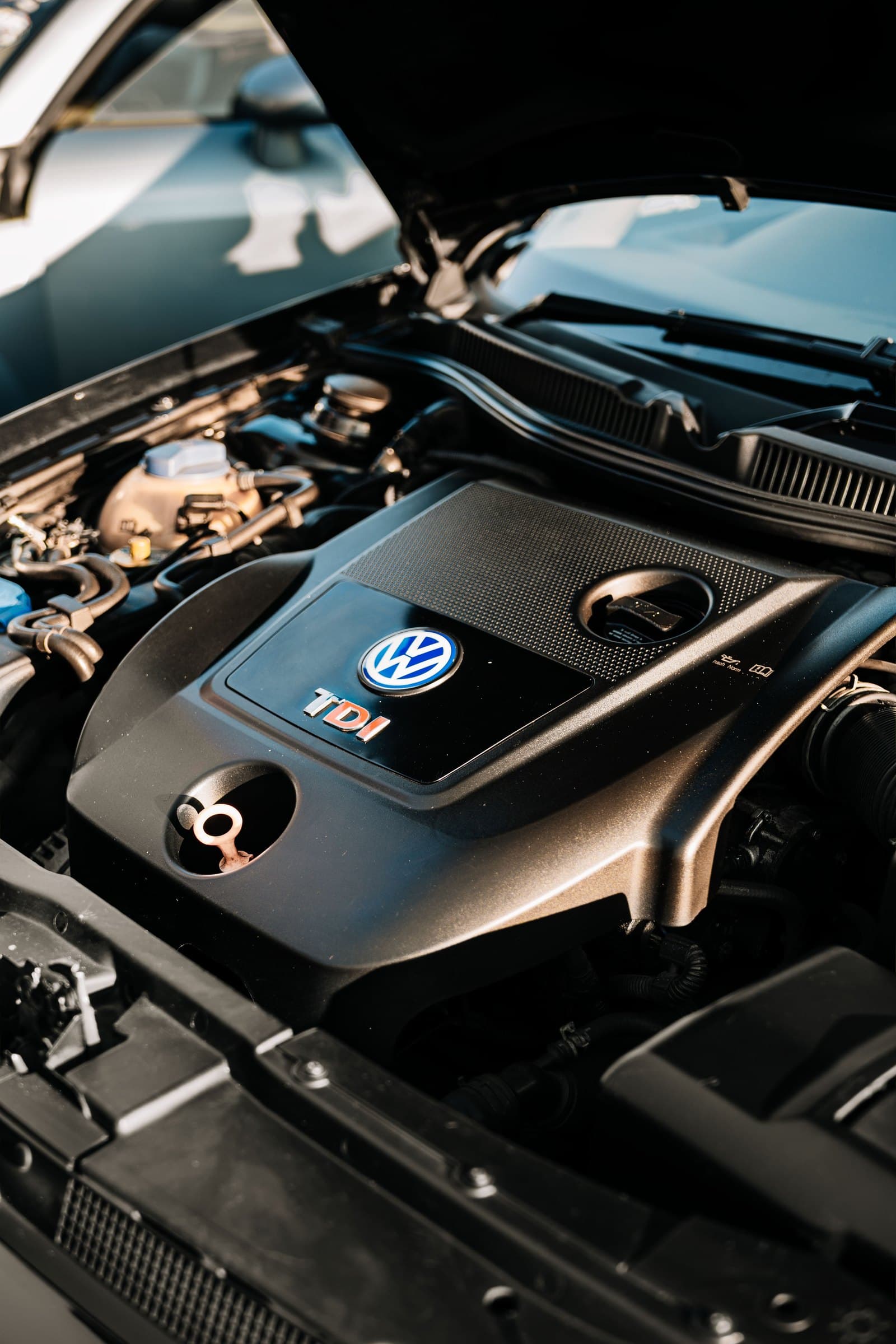
Driving pattern and DPF
Don’t buy a used diesel car if you can't determine whether the car spent its entire life on highways or sitting in traffic. Modern diesel engines have expensive systems that don't tolerate the wrong driving pattern. Modern diesels have a DPF or diesel particulate filter, which traps soot (fine black carbon particles) from the exhaust to lower emissions. Over time, this accumulated soot needs to be removed through a process called DPF regeneration. Regeneration is when the engine raises the exhaust temperature (to about 550 – 600 degrees Celsius) to burn that accumulated soot off and clean the filter. Short city drives and grocery runs may not always allow the engine and exhaust system to reach its optimal temperature for DPF regeneration and this can fill the DPF up with particles (soot) faster than it can burn them off. Too many short trips can prevent proper DPF regeneration. Soot builds up and the DPF gets clogged which leads to performance drops, high fuel consumption, and eventually leading to an expensive repair (like DPF replacement). If you are buying a used diesel car. Don’t just look at the kilometres driven, look at how it was driven. Regular highway use is generally better for a diesel’s DPF than constant short city trips in traffic.
The Italian tune up
If you already own a diesel car and short trips are unavoidable, there are things you can do to help keep the car healthy. Car enthusiasts sometimes call it an Italian tune-up, and no it’s not an actual tune up. It's simply giving the car a longer drive at a sustained load and higher RPMs. Whenever possible, take your diesel car out for a highway drive. This gives the engine and exhaust system enough time to reach operating temperature and can give the DPF the conditions it needs to complete its regeneration cycle. This isn't a substitute for periodic maintenance, and always follow your car manufacturer's recommendations for DPF regeneration and periodic maintenance.
Driving habits
Diesel engines are built tough, but repeatedly driving them the wrong way can shorten their life. One bad driving habit to watch out for is engine lugging. Engine lugging is when you’re in too high a gear, the RPM is too low, but you’re asking the engine to pull hard. Instead of downshifting, you’re basically making the engine struggle under load. Constantly lugging a diesel in a high-gear at extremely low RPM while asking the engine to pull hard puts unnecessary stress on the engine. The problem is, you can't see that history during a 20-minute test drive. Despite what many people believe, lower RPM isn't automatically better or more efficient. If the engine is struggling under heavy load, that's when you need to downshift.
Maintenance
Diesel engines are built tough, but skipping oil changes, neglecting filters, ignoring cooling system maintenance, or putting off repairs can turn a reliable diesel car into an expensive nightmare. This is where buying a used diesel car becomes risky, with a used car the problem is that you may not see the consequences immediately. An engine can feel perfectly fine on a test drive while years of neglected maintenance are waiting to catch up with the next owner. If the seller has no service records, no invoices, and no convincing proof of how the car was maintained, don't simply take their word for it. Before you transfer any money, get the car properly inspected. A pre-purchase inspection can help identify warning signs and problems that you may not notice during a short test drive, helping you make a more informed decision before the car and its potential expensive repairs become your responsibility.


Comments
Be the first to comment.