Are you using the right engine oil? Engine oil explained and 4 myths debunked

@arrowshot_49 · 4 Nov 2026 · 8 min read · 29 views
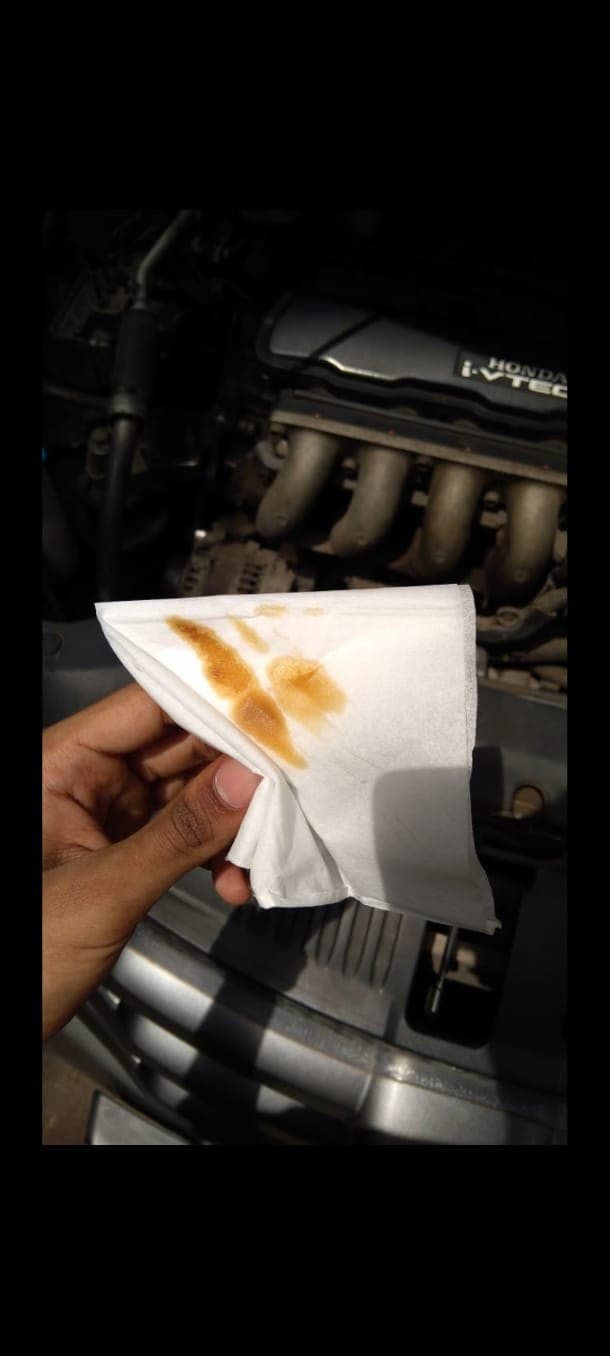
What is engine oil and why does your car need it? Engine oil has one of the toughest jobs in your car. It lubricates moving parts, helps cool the engine, cleans away contaminants, protects against corrosion, and it creates a protective oil film that prevents metal parts from grinding against each other. Without it, an engine would destroy itself in minutes.
MYTH 1 - All engine oils are the same. The answer is no. All engine oils are not the same. Engine oils differ in viscosity like 0W-20 or 5W-30, base oil type like conventional or synthetic, chemical additive packages and the performance standards they meet.
Viscosity- It measures the fluids resistance to flow. To put it simply, it’s how thin or thick the oil is. For example, a thin liquid like water has a low viscosity whereas a thick liquid like honey has a high viscosity. The tricky part is that an engine has to start when it's cold and keep protecting itself when it's extremely hot. That's why you see numbers like 5W-30 written on the engine oil container. The 5W means how the oil flows when the engine is cold, the lower the number before the W the easier it flows during cold starts. The 30 tells you how thick the oil remains when the engine is hot (normal operating temperature). The oil needs to stay thick enough to protect moving parts but not so thick that it reduces efficiency.
Base oil- The base oil is the main ingredient of engine oil, which makes up about 70 to 90% of the oil. It's what actually lubricates the engine. The remaining 10 to 30% is made up of chemical additives that help keep the engine clean, reduce wear, prevent corrosion, and improve performance.
The 3 main types of base oils: conventional oil, fully synthetic oil and synthetic blend (semi-synthetic) oil. Conventional oil is refined directly from crude oil. Its molecules vary in size and shape, so it breaks down faster under high heat and heavy use. Conventional oil is generally cheaper and can still work perfectly if it meets your vehicle's specifications and you change the oil on time.
Fully Synthetic oil is chemically engineered in a lab for peak purity and uniform molecules. This helps it flow better in cold weather, stay stable at high temperatures, and resist breaking down over time. This means synthetic oil usually offers better wear protection, cleaner engines, improved performance in extreme temperatures and longer service life (when approved by vehicle manufacturer).
Synthetic blend or Semi-synthetic oil is as the name suggests, a blend of conventional and synthetic base oils. It offers better protection, improved temperature performance, and longer life than conventional oils but without the higher cost of full synthetic oil.
So, what happens if you don't use the correct engine oil? At first, you might not notice anything. But over time, the wrong oil can lead to:
- Poor lubrication, causing increased engine wear.
- Higher engine temperatures because the oil can't dissipate heat effectively.
- Sludge and deposits that clog oil passages.
- Reduced fuel efficiency as the engine works harder.
- Increased oil consumption or leaks if the viscosity isn't right.
- Faster wear on critical components like camshafts, bearings, and turbochargers.
- In worst cases complete engine failure, turning what could've been a simple oil change into a very expensive repair costing lakhs.
Always use the oil the manufacturer recommends and what your engine was designed for.
MYTH 2 - Thicker oil protects your engine better. Many people believe that using thicker oil equals a stronger protective layer between engine parts, and less wear. But is that actually true? or does using oil that’s thicker than what the manufacturer recommends cause damage to your engine? Engineers spend years designing an engine. Thousands of hours of testing. Millions of kilometres. Then they specify the exact viscosity grade of oil (thickness of oil) the engine requires, like 5W30 or 0W-20. Using an oil that doesn't meet those requirements means you're no longer giving the engine the protection it was designed for.
Viscosity must match your engine. Oil too thick may take longer to circulate when the engine is cold. That delay means that parts like camshafts and bearings may run with less lubrication during starts and this increases wear. Engine oil doesn’t just lubricate, it also carries heat away from engine components. A thicker oil doesn’t automatically mean better cooling. If it moves too slowly through certain areas of the engine, it may not remove heat as effectively as the correct oil the engine was designed to use and can cause overheating. Oil pumps are designed to move oil within a certain viscosity range. Thicker oils can increase resistance, especially at startup, causing the oil pump to work harder and this increases wear on the oil pump. Many modern engines use systems like VVT (variable valve timing) which depend on precise oil pressure and flow. If the oil is too thick, these systems may not function properly.
When Is Thicker Oil Acceptable? Thicker engine oil is only acceptable when a vehicle is operating in extremely hot conditions and when the vehicle manufacturer specifically recommends or permits a higher-viscosity oil. A thicker oil may create a stronger oil film at high temperatures but the best oil for your engine isn't the thickest. It's the one that flows quickly enough to protect the engine while still maintaining the correct oil film strength between engine parts to reduce wear. That's why manufacturers specify a particular viscosity for each engine.
MYTH 3 - Overfilling the engine oil above the max marking. This myth is believed even by some local mechanics. Many people believe that filling engine oil little bit above the MAX mark gives the engine extra lubrication and a bigger safety margin. More oil does not mean more protection and it can be just as dangerous as too little oil.
Why overfilling your engine oil can create serious engine damage. Car engines are not designed to work with an unlimited amount of oil. The oil level between the MIN and MAX marks is the operating range engineers designed it for. Modern engines are carefully designed so the crankshaft rotates just above the oil level. When the oil level rises too high, the spinning crankshaft starts striking the oil instead of simply rotating above it. As the crankshaft churns through excess oil, it whips air into the oil, creating thousands of air bubbles. This is called oil aeration or foaming. Foamy oil cannot maintain a strong lubricating film like liquid oil can. So, if the oil becomes foamy, the pump may circulate an oil-air mixture instead of just oil, causing poor lubrication and metal on metal contact inside the engine which can cause significant wear on the engine, even if the oil pressure gauge reading appears normal. Too much oil can also increase crankcase pressure, especially if the excess oil is being whipped into foam. Higher crankcase pressure puts extra stress on seals and gaskets and over time this can contribute to oil leaks. If excess oil reaches the PCV (Positive Crankcase Ventilation) valve, it can be drawn into the engine and burned during combustion.
Burning oil can produce: -Blue exhaust smoke -Carbon deposits -Spark plug fouling -Damage to the catalytic converter over time
Is a Small Overfill Dangerous? If the oil level is just a few millimetres above the MAX mark, many engines won't experience any problems. However, being half a litre or more above the recommended capacity can significantly increase the risk of the issues we've discussed. If you have accidently overfilled the engine oil above MAX mark. The safest solution is to drain to the line or extract the excess oil until the level is back within the manufacturer's recommended range (between MIN and MAX).
MYTH 4 - All 5W30 Engine oils are the same. Two oils can both be 5W-30 but be designed for completely different engines. 5W-30 only tells you the viscosity (thickness) at cold and hot temperatures. It says nothing about: -Additive package -Wear protection level -Detergents -Emissions system compatibility -Manufacturer requirements and approvals Besides viscosity, an engine may also require specific API, ACEA, ILSAC ratings or manufacturer approvals.
What is API, ACEA and ILSAC? They are quality and performance standards for oil. For Example: API (American Petroleum Institute) -API SL is older spec oil -API SP newer spec oil Each newer specification generally has better protection and performance requirements than older ones. Similar to API, ACEA is the European quality standard and ILSAC is Japanese and American standard. If your owner's manual says: API SP Then using an older API SL oil is not a good idea. But newer API categories are generally backward compatible. So, a newer spec API SP oil can be used in vehicles rated for API SL.
If the right viscosity but wrong spec engine oil is used, the consequences aren't always immediate. The wrong-spec oil can lead to:
- Increased engine wear over time
- Poor cold-start lubrication
- Lower fuel economy
- Timing chain wear (in some engines)
- LSPI (Low-Speed Pre-Ignition) risk in some turbo GDI engines if older oil is used
- Deposit/sludge formation
- Reduced catalyst or DPF life in diesels
- Shorter oil life
- Loss of warranty (if under warranty)


Comments
Be the first to comment.